

_500x500.jpg)
『Homemade Hydraulic Flow Meter Safety Warning: Why DIY Gauges Fail Under Dangerous High Pressures』Related information(flow rotameter|digital flow meter|balo meter|hydraulic flow meter|volumetric meter|positive displacement meter|pitot tube flow meter|displacement meter|cfm meter|variable area flow meter|inline flow meter|differential pressure flow meter|calibrated flow meter|velocity meter|paddle wheel flow meter|oval gear flow meter|anemometer hvac|multiphase flow meter|doppler flow meter|thorpe tube flowmeter|heat flow meter)
Homemade Hydraulic Flow Meter Safety Warning: Why DIY Gauges Fail Under Dangerous High Pressures
Quick Answer: Homemade hydraulic flow meters fail under high pressure because common fittings, seals, and sensor bodies cannot hold repeated spikes above 200 bar. A cracked DIY gauge can spray hot hydraulic oil and cause serious injury or fire. For safe measurement, send Silver Automation Instruments your pressure in bar, temperature in °C, pipe size DN, and flow range in L/min.
What Happens When a DIY Hydraulic Flow Meter Fails
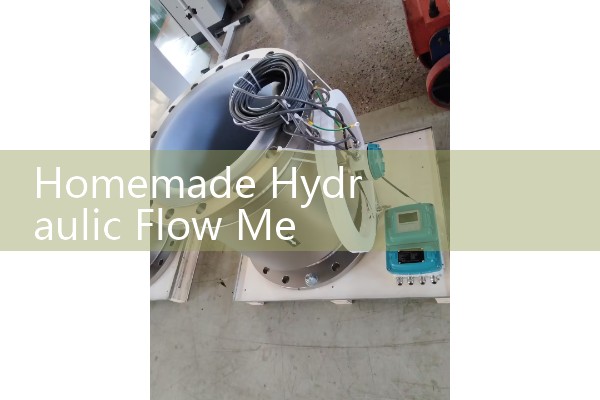
A homemade flow meter often looks fine at 20 bar on a test bench. The problem starts when the hydraulic system reaches working pressure of 200 bar, 250 bar, or higher. A fitting threads out, an acrylic sight tube cracks, or an O-ring blows. Hot oil escapes at high velocity. If the spray hits skin or a hot manifold, the result is serious. We have seen this on customer sites many times. Operators think the gauge is safe because it held pressure for one hour. That is not a meaningful test for fatigue or pressure spikes.
Common Failure Points in Homemade Hydraulic Gauges
DIY builders usually focus on the flow sensor and ignore the pressure boundary. The first failure point is the thread connection. NPT or BSP threads cut by hand do not seal under high pressure. The second failure point is the viewing window. Glass or plastic windows are not rated for a dynamic hydraulic line. The third failure point is the sensor mounting. A small turbine or paddle wheel inside a homemade body can bind or shed parts into the oil. The fourth failure point is the wiring. Exposed wires near a high pressure oil leak create a fire risk. The fifth point is the lack of a proper relief path. A blocked flow path can raise pressure above the burst rating in less than one second.
Why Hydraulic Pressure Makes DIY Gauges Unsafe
Hydraulic systems do not stay at one steady pressure. A cylinder stroke can create a pressure spike two times higher than the nominal system pressure. A 200 bar system can spike past 350 bar for a few milliseconds. A homemade gauge built around a 200 bar static test cannot handle that. The metal may not burst immediately. Small cracks grow. Threads loosen. Seals deform. After a few hundred cycles, the gauge fails without warning. Many hydraulic fluids also reach 60 °C to 80 °C in normal service. Heat softens plastic bodies and makes threaded joints expand at different rates. A leak that starts small becomes a high pressure jet quickly.
Real Failure Scenarios We Have Seen
Last year a customer in Vietnam asked us to replace a homemade hydraulic test bench meter. The acrylic tube cracked at 180 bar and sprayed oil across the workshop. Another distributor in Southeast Asia reported a DIY paddle wheel meter that sent plastic fragments into a hydraulic
A Better Way to Measure Hydraulic Flow Without the Risk
For hydraulic oil flow measurement, Silver Instruments recommends an oval gear flow meter or a turbine flow meter with a metal body and proper pressure rating. A typical safe setup is a DN15 or DN20 oval gear flow meter rated for 250 bar, with 4-20 mA HART output. The oval gear design handles high viscosity hydraulic oil from 10 cSt to 1,000 cSt without losing accuracy. The meter measures flow in L/min or kg/h and does not need straight upstream piping. The body is metal. The seals are FKM or PTFE. The process connection can be threaded or flanged. This is not a DIY gauge. The unit is a sealed industrial instrument built for continuous hydraulic service.
What Data to Send Silver Instruments for a Safe Hydraulic Flow Meter Quote
Send Silver Instruments these five data points. First, the hydraulic fluid type and viscosity in cSt at operating temperature. Second, the working pressure in bar and maximum spike pressure if known. Third, the process connection size in DN or inch. Fourth, the flow range in L/min or kg/h. Fifth, the signal output your control system accepts, such as 4-20 mA, pulse, RS485, or HART. Send this to Tel: +86-25-68650347, Whatsapp: +86-25-52155837, or WeChat: +86 15365082610. You can also visit flow-meter.com.au. We will quote a flow meter with a pressure rating that matches the hydraulic circuit.
FAQ
What pressure rating should a hydraulic flow meter have?
Use a flow meter rated above the maximum system spike, not just the nominal pressure. For a 200 bar hydraulic system, a 250 bar or 315 bar rated meter is safer.
Why do DIY hydraulic flow meters fail without warning?
They fail from fatigue, heat cycling, and thread stress. The failure is not always a sudden burst. Cracks grow over repeated pressure cycles and then release oil quickly.
Can a water flow meter be used for hydraulic oil?
Most water flow meters are not safe for hydraulic oil. The seals, body material, and pressure rating are wrong. Use a metal body flow meter with FKM or PTFE seals.
Which flow meter is best for hydraulic oil with high viscosity?
An oval gear flow meter or a positive displacement flow meter is best. These meters handle viscosity changes well and give stable readings for oils from ISO VG 32 to ISO VG 680 and higher.
How do I get a quote for a safe hydraulic flow meter?
Send your pressure in bar, temperature in °C, pipe size DN, flow range in L/min, and fluid viscosity to Silver Instruments. Use Tel, Whatsapp, or WeChat above. You will receive a technical proposal and price.
 Hot Product
 Related AD