

『Lubricating Oil Flow Meter 10 L/min Calibration Span Tuning Steps』Related information(flow rotameter|digital flow meter|balo meter|hydraulic flow meter|volumetric meter|positive displacement meter|pitot tube flow meter|displacement meter|cfm meter|variable area flow meter|inline flow meter|differential pressure flow meter|calibrated flow meter|velocity meter|paddle wheel flow meter|oval gear flow meter|anemometer hvac|multiphase flow meter|doppler flow meter|thorpe tube flowmeter|heat flow meter)
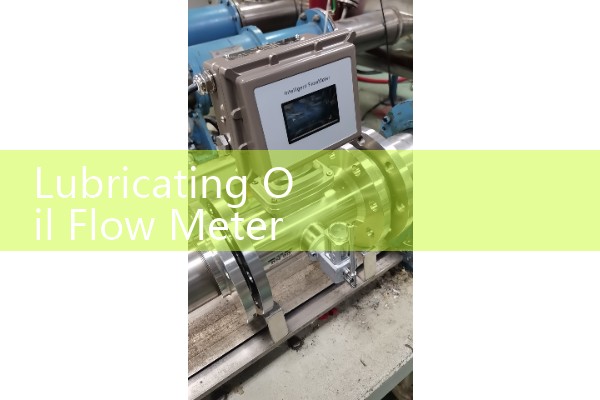
Lubricating Oil Flow Meter 10 L/min Calibration Span Tuning Steps
Quick Answer: Span tuning for a 10 L/min lubricating oil meter relies on a stable flow, a trusted reference device, and the correct meter factor adjustment. Use the actual oil viscosity and temperature to recalculate the K‑factor or span trim. A Silver Instruments oval gear meter at this rate can hold ±0.2 % reading after a simple three‑step field correction.
Why Span Tuning Matters for Lubricating Oil at 10 L/min
Lubricating oil is not water. A standard oval gear or Coriolis flow meter leaves the factory calibrated on water or a light oil. When you pump ISO VG 68 hydraulic oil at 40 °C through the same meter, the internal clearances and slip behaviour shift. A 10 L/min flow rate is common in blending, drum filling, and bearing lube circuits. An uncorrected meter at this rate can drift 1.5 % to 3 %, which wastes additive or causes batch rejections. A lubricant manufacturer in Vietnam recently saw a 2.1 % over‑read on a DN15 oval gear meter because they skipped span tuning. After the field adjustment, the dosing error disappeared and annual additive cost dropped by AUD 4,200.
What You Need Before You Start
You need a high‑accuracy reference meter or a volumetric prover. Many engineers use a portable Silver Instruments CMF025 Coriolis master meter with a traceable calibration certificate. The reference should be at least three times better than the device under test. You also need a steady pump, a 200‑micron strainer upstream, and a way to read the pulses or analog signal. For a Silver Instruments OGM‑15 oval gear meter, bring a frequency counter that reads Hz or a HART 475 communicator if the meter has a 4‑20 mA HART board. Keep the oil temperature stable within ±0.5 °C. A PT100 inserted in the pipe close to the meter is the practical way to log it. Have the oil viscosity at working temperature, say 68 cSt at 40 °C, ready in the meter datasheet.
Step‑by‑Step Span Tuning Process
Purge all air from the meter and piping first. Even a 2 mm bubble inside an oval gear meter can spike the reading. Open the vent plug on the meter body and run the pump at 15 L/min until the oil runs bubble‑free. Then throttle the valve to exactly 10 L/min and wait two minutes.
Take a master reference reading. If you use a Coriolis master meter downstream, note the mass flow and convert to volume using the oil density at operating temperature. If you use a calibrated vessel, collect the oil for 60 seconds and measure the net volume. One blending site in the Philippines uses a 20‑liter stainless steel test can with a sight glass. They collect for 60 seconds and read the meniscus at 10.00 ±0.05 L.
While the master is measuring, count the pulses from the test meter. The OGM‑15 with a default K‑factor of 2000 pulses per litre gives 20 000 pulses for 10 litres in 60 seconds. Record the actual total pulses displayed on your frequency counter or the totalizer register. Compare the indicated volume from the test meter to the true volume from the master.
Calculate the new K‑factor. Divide the master true volume by the indicated volume, then multiply by the existing
Validate three times. Run five consecutive batches at 10 L/min and check the repeatability stays within ±0.1 %. If the error exceeds 0.3 %, check for gear wear or temperature drift. In practice, we see a well‑tuned oval gear meter keep that band for months.
Common Pitfalls and Specific Fixes
Variable temperature is the biggest hidden enemy. Lubricating oil viscosity drops as the pump runs, and the meter slip changes. An engineer from a marine lube blending shop in Durban loops a PT100 signal into the local indicator and applies a live viscosity compensation table. Silver Instruments can enable this software block on OGM‑E models. Another real case: a batch filler in Malaysia adjusted span on a Coriolis meter but forgot to zero the meter under full‑pipe no‑flow condition. The offset caused an under‑fill of 180 ml per drum. After a zero calibration at operating pressure, the span correction became rock solid.
FAQ
Can I tune the span without a master meter? It is possible but not recommended. You can weigh a batch on a calibrated platform scale if you know the exact density at temperature. For 10 L/min, a 30 kg scale with 1 g resolution gives enough accuracy for a 60‑second weigh‑in. Always convert mass to volume with a density value from the oil lab.
How often should a 10 L/min lube oil flow meter be span‑checked? Every three to six months, or whenever the oil grade changes. Sites that switch between SAE 30 and SAE 40 without re‑tuning will see a 0.5‑1 % drift.
Does the meter orientation affect span? Yes. Vertical upward flow can trap air and change the backpressure. Keep the meter in horizontal orientation with the register facing up. If you must install it vertically, run a separate degassing loop.
What if the meter has no pulse output, only 4‑20 mA? Connect a 250 ohm resistor and a milliamp meter. Trim the span using HART or the local buttons. Silver Instruments OGM‑15 meters with the 4‑20 mA board support on‑site two‑point span adjustment without opening the housing.
Can I use the same span for multiple lubricants? No. Each oil grade needs its own K‑factor register. We store up to four sets in the electronics and select via a digital input when the blending recipe changes.
To get a specific span tuning recommendation for your lubricating oil flow meter, send us your oil viscosity (cSt at operating temperature), exact pipe size (DN15, DN20), operating pressure in bar, and the output signal type. Our engineers at Silver Automation Instruments will return a calibration procedure matched to your site. Visit our website flow-meter.com.au for OGM oval gear meter data sheets and application notes.
 Hot News
 Related AD