

『TIG Flow Meter: Precise Argon Gas Regulator Adjustments』Related information(flow rotameter|digital flow meter|balo meter|hydraulic flow meter|volumetric meter|positive displacement meter|pitot tube flow meter|displacement meter|cfm meter|variable area flow meter|inline flow meter|differential pressure flow meter|calibrated flow meter|velocity meter|paddle wheel flow meter|oval gear flow meter|anemometer hvac|multiphase flow meter|doppler flow meter|thorpe tube flowmeter|heat flow meter)
TIG Flow Meter: Precise Argon Gas Regulator Adjustments
Quick Answer: A TIG flow meter controls argon gas delivery with a needle valve and a direct reading scale. Correct adjustment avoids weld oxidation and gas waste. Most workshops set the flow between 5 and 15 L/min depending on cup size, but the regulator drift often ruins the weld. A dedicated TIG flow meter with fine threads and a stable seat gives repeatable results. Below we explain setup, adjustment, and why a welding-grade unit matters.
Why a Standard Regulator Is Not Enough for TIG
Many shops still use a generic compressed gas regulator with a floating ball flowmeter. In practice, these units struggle at low flow rates. The ball jitter makes precise reading hard. A customer in Vietnam who makes stainless steel handrails found that his reading drifted from 10 L/min to 7 L/min over a two-hour job. The result was grey welds and rework. The root cause was a pressure-compensated flowmeter that did not hold steady when the cylinder pressure dropped. A welding flow meter built for argon handles small flow increments without drifting.
Standard flowmeters often have a rubber diaphragm. Argon does not attack the diaphragm, but the regulation spring can relax with heat. In a workshop where the cylinder stands near the welding bay, ambient temperature rises. The output pressure shifts by 0.3 to 0.5 bar, and the flow changes. A proper TIG unit uses a brass body and a stainless steel needle valve. The seat material resists deformation even after thousands of adjustments. We have seen this on customer sites many times.
What a Precise Argon Flow Meter Looks Like
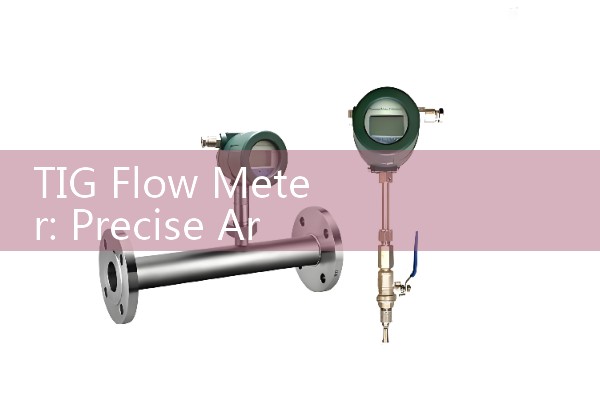
When you shop for a TIG flow meter, look for direct reading in L/min, not a 0-10 scale that needs a conversion chart. A tube marked with clear graduations at 5, 8, 10, 12, 15, and 20 L/min saves time. The scale must be backlit or have a high-contrast background. The needle valve should offer about 10 turns from closed to fully open, giving fine resolution. Some cheaper models open fully in 2.5 turns, and even a slight touch changes the flow by 4 L/min.
Inlet pressure rating is another detail. Most argon cylinders deliver up to 200 bar. The flowmeter inlet should accept 0 to 300 bar for safety margin. Outlet pressure is often fixed at 1.5 to 4 bar, then the needle valve trims the flow. Connection size in Asia and Africa is typically 5/8-18 UNF for the cylinder nut, while the outlet hose barb accepts 6 mm or 1/4 inch tubing. A supplier in the Middle East recently asked for 1/4 BSPP outlet fittings for their local hose standard. Silver Instruments can configure the threads according to order.
Step-by-Step Adjustment for Consistent Argon Coverage
1. Open the cylinder valve slowly. Let the high-pressure gauge climb and settle. Do not stand in front of the regulator face during this step.
2. Turn the needle valve knob counterclockwise until it stops. Set the flow to zero before you connect the torch hose.
3. Attach the hose and check for leaks with soapy water at the barb and the cylinder nut. A leak of even 0.5 L/min will mislead your setting.
4. Trigger the torch gas purge or press the foot pedal to start the preflow. Watch the ball or the float rise. Adjust the needle valve slowly to your target number. If the cup is a #6, start at 8 L/min for flat plate welding. Increase to 12 L/min for aluminum or outside corner joints.
5. Wait 10 seconds. The ball often falls slightly after the initial surge. Readjust if needed. Most engineers skip this step and wonder why the first tack weld burns hot
6. After adjusting, mark the knob position with a paint pen. That way, the night shift operator does not twist it out of range. In a busy production environment, this simple habit saves argon costs.
Common Mistakes That Waste Argon and Ruin Tungsten
One mistake is setting the flow while the cylinder pressure is at 30 bar, then using the same knob setting when the cylinder is at 180 bar after a refill. The flow rate changes because the inlet pressure affects the seat equilibrium. Always reset the flow after a cylinder swap.
Another issue is a missing sintered filter at the inlet. Dust from the cylinder valve can lodge in the needle seat and cause a creeping flow. A 40-micron filter extends the life of the regulator. We supply sintered bronze filters as a standard feature on our TIG flowmeters.
Some welders try to use a single flowmeter for argon and helium mixes. Helium runs faster through the same orifice, so a reading of 10 L/min with pure argon can become 18 L/min with helium mix. You need a separate tube calibrated for the gas, or a conversion table. When in doubt, ask the gas supplier for the correction factor.
When to Replace or Recalibrate the Flow Meter
Mechanical stress and vibration degrade accuracy. In a factory that runs three shifts, we recommend checking the calibration every 12 months or 800 operating hours. A portable reference flowmeter can verify the reading onsite. If the deviation exceeds 10 percent of full scale, replace the tube or the whole unit. The cost of rework from poor shielding far exceeds the price of a new flowmeter.
Frequently Asked Questions
Can I use a compressed air flow meter for argon in a TIG machine? The scale is different and the inner seal materials may not be compatible with argon. A compressed air unit often has an aluminum body that oxidizes over time. It is better to use a unit rated for inert gas.
What flow rate for a #8 cup on stainless steel? Typically 10 to 14 L/min. Factors include joint geometry, draft in the shop, and stick-out length. Start at 12 L/min and walk the cup to confirm coverage.
Why does the ball stick at the top of the tube sometimes? A sudden burst of gas when opening the cylinder can force the ball against the top stop. Close the needle valve fully, bleed the line, then open slowly. If the problem repeats, the valve seat may be worn.
How do I know if my flowmeter is pressure compensated? A pressure-compensated unit has a diaphragm that balances the outlet pressure against the inlet. Without compensation, a drop in cylinder pressure reduces the flow. This is critical for automated orbital TIG where the weld lasts several minutes.
Does Silver Instruments offer TIG flowmeters with a certificate? Yes, each unit can be supplied with a calibration certificate traceable to national standards. Send us the required flow range and the gas type, and we will include the document at no extra charge for orders over 50 units.
Get a Quote for Your TIG Flow Meter. Tell us your inlet pressure in bar, the required flow range in L/min, the connection standard (5/8-18 UNF, 1/4 BSPP, or hose barb size), and your delivery city. We serve distributors and end users in Southeast Asia, the Middle East, Latin America, Africa, and Oceania. Email [email protected], call +86-135-1213-1526, or reach us on WhatsApp at 86-135-12131526 and WeChat at +86 13512131526. A same-day quote with a lead time is standard. Silver Automation Instruments delivers flowmeters that hold the setpoint shift after shift.
 Hot Blog
 Related AD