

『Gear Oil Flow Meter 10 L/min: Precision Additive Blending Control Setups』Related information(flow rotameter|digital flow meter|balo meter|hydraulic flow meter|volumetric meter|positive displacement meter|pitot tube flow meter|displacement meter|cfm meter|variable area flow meter|inline flow meter|differential pressure flow meter|calibrated flow meter|velocity meter|paddle wheel flow meter|oval gear flow meter|anemometer hvac|multiphase flow meter|doppler flow meter|thorpe tube flowmeter|heat flow meter)
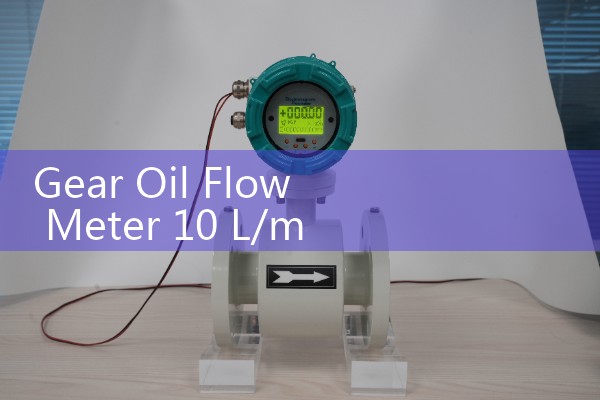
Gear Oil Flow Meter 10 L/min: Precision Additive Blending Control Setups
Quick Answer: A 10 L/min gear oil flow meter for additive blending gives you repeatable small-volume precision. Silver Instruments supplies oval gear meters with 0.5 % accuracy, 4-20 mA HART and pulse output, and wetted parts in 316L stainless steel. You get direct PLC integration without air purge or straight pipe runs. Send us your fluid viscosity in cP, operating temperature, pipe size DN, and flow range for a matched model.
Why a Standard Flow Meter Fails in Additive Blending
Additive blending for gear oil is not a bulk transfer job. You inject a few litres per minute of friction modifier, anti-wear agent, or viscosity index improver into a base oil stream. The recipe often calls for 10 L/min or less. At these low flows, turbine meters stall. Coriolis meters work but cost too much for a 10-person blending plant in Vietnam or Thailand. Magnetic flow meters do not work because many oil additives have conductivity below 5 microsiemens per centimetre.
Oval gear flow meters solve this directly. Positive displacement means each pocket of fluid is counted mechanically. Viscosity changes do not kill accuracy. In practice, even a 50 cP shift only moves the K-factor by a fraction of one percent. We have seen this on customer sites many times. A lubricant blender in Indonesia switched from a turbine meter to our OGM oval gear meter and cut additive overdosing from 1.2 % to under 0.3 %. That meant 1 800 litres less additive wasted per year.
The Silver Instruments OGM Oval Gear Meter for 10 L/min Blending
Our OGM series flow meter covers 0.5 to 100 L/min, and the sweet spot for additive injection is the 10 L/min model with DN15 connections. Here are the specs that matter to blending panel builders and process engineers.
Flow range: 2 to 20 L/min with a linear output from 5 to 15 L/min. For 10 L/min setpoints, you stay right in the middle of the range.
Accuracy: ±0.5 % of reading across a 10:1 turndown. Repeatability is ±0.03 %, which matters more than absolute accuracy in dosing.
Wetted materials: 316L stainless steel body with PEEK gears and ceramic bearings. No aluminium, no brass. Your anti-wear additives in gear oil often contain ZDDP. This chemistry attacks copper alloys. That is why we specify all-stainless or PEEK internals.
Output signals: Dual channel. One is a 4-20 mA HART loop for the DCS or PLC. The other is a pulse output scaled at 1 000 pulses per litre, which you can send straight to a batch controller like a Siemens S7-1200 or a local PID loop.
Temperature and pressure: Integrated PT100 RTD measures fluid temperature from -20 °C to 120 °C. Pressure rating is 40 bar at 20 °C. If your additive line runs at 80 °C and 15 bar, the meter does not derate.
Hazardous area: ATEX Zone 1 and IECEx certification as standard. No extra cost for Ex ia IIC T4, because blending rooms often sit inside solvent-rated zones.
Here is the thing. Most engineers skip the bearing material detail. For gear oil additives with aggressive sulphurised esters, standard 440C stainless bearings can pit within six months. The ceramic bearing upgrade costs a few hundred dollars and lasts five years. We learned this from a hydraulic oil blender in Malaysia who replaced six meters in two years before switching to our OGM with ceramic bearings.
How the 10 L/min Meter Fits into a Blending Control Loop
Your blending skid probably uses a PLC with an analogue input card. You pull a 4-20 mA signal from the meter into the card. The PLC compares actual flow to setpoint and drives a metering pump or a control valve. With a gear oil flow meter, the response is immediate because there is no bearing drag that creates a dead band. At 10 L/min, the meter produces a fresh reading every 50 milliseconds.
If you want a batch controller instead, connect the pulse output to a Silver Instruments batch display unit. You set the target volume in litres on the front panel, push Start, and the meter cou
Do not try to use a Coriolis meter with integral transmitter for this unless you have a clean power supply and zero vibration. A small blending skid in the Philippines kept getting flow reading spikes because the air compressor motor sat two metres away. The Coriolis picked up the vibration. We swapped in the oval gear meter, which is mechanically immune to pipe vibration, and the spikes disappeared.
Installation Notes That Save You Time
Mount the meter with the rotor axis horizontal. That keeps the gears submerged and prevents air pockets. Add a simple Y-type strainer 150 micron upstream. Blending plants often have rust flakes from carbon steel pipes. Those flakes jam tight-clearance gears. A 40 USD strainer prevents a 1 200 USD meter rebuild.
For high-viscosity additives above 500 cP, install a pressure relief bypass around the meter set to 5 bar above maximum operating pressure. One gear oil formulator in Thailand ran a 900 cP pour point depressant without a bypass. The pump dead-headed on startup, and the meter gears locked. No permanent damage, but four hours of downtime. Since adding the bypass, they have not had a single pump trip.
Pipe size is DN15, and we supply compression fittings for stainless tube or NPT threaded adapters. If your additive line is 1/2 inch Schedule 10, we match that. No reducer needed.
Frequently Asked Questions
Can this meter handle gear oil with solid additives like molybdenum disulphide?
Yes, if particle size stays below 20 micron. For MoS2 or graphite suspensions, specify the hardened gear version with tungsten carbide bearings. We have supplied this configuration to a grease plant in Peru for lithium complex thickening concentrate at 8 L/min. The meter ran for two years without wear.
What is the typical delivery time for a 10 L/min gear oil flow meter to Saudi Arabia?
Four working days for standard configuration from Silver Instruments China warehouse to Dammam or Riyadh via DHL. Custom ceramic bearings add three days. We ship against a proforma invoice with full commercial documentation for customs clearance.
Does the meter require recalibration after installation?
No factory recalibration is needed for life if you stay within the specified viscosity and temperature range. The oval gear meter uses a fixed K-factor set with gear oil ISO VG 32 as reference. If your additive is ISO VG 68, the K-factor shift is less than 0.2 %. Most blending recipes tolerate this without adjustment. If you need tighter accuracy, do an on-site gravimetric verification with a scale. Our manual includes this procedure.
Can I get a pulse output for a totaliser and a 4-20 mA output at the same time?
Yes. The OGM meter supplies both outputs simultaneously from the same junction box. We wire the pulse to terminals 1 and 2, and the 4-20 mA HART to terminals 3 and 4. No splitter or external isolator needed.
What if the additive is solvent-based and the meter sits in an ATEX Zone 1 area?
Then order the ATEX-certified version with encapsulated electronics and stainless steel junction box. The Ex marking is II 2G Ex ia IIC T4 Gb. We include the EU declaration of conformity and IECEx certificate in English. For Middle East projects, we also provide a SASO certificate on request.
Send us your complete process data. We need fluid name, viscosity at operating temperature in cP, flow rate min and max, pipe size DN, temperature in degrees Celsius, pressure in bar, and the output signal your PLC expects. Mention “gear oil additive blending 10 L/min” in your inquiry to get the correct ceramic bearing option and ATEX paperwork. Email to [email protected] or reach our Sydney office at +61 2 8006 8524. See our oval gear flow meter range at flow-meter.com.au.
 Hot Blog
 Related AD