

『Electromagnetic water flowmeter』Related information(flow rotameter|digital flow meter|balo meter|hydraulic flow meter|volumetric meter|positive displacement meter|pitot tube flow meter|displacement meter|cfm meter|variable area flow meter|inline flow meter|differential pressure flow meter|calibrated flow meter|velocity meter|paddle wheel flow meter|oval gear flow meter|anemometer hvac|multiphase flow meter|doppler flow meter|thorpe tube flowmeter|heat flow meter)

1. Electromagnetic flowmeter can measure pure water, but attention should be paid to the lower limit of conductivity and installation conditions The measurement principle and applicability of electromagnetic flowmeter work based on Faradays law of electromagnetic induction, requiring the fluid to have a minimum conductivity (usually ≥ 5 μ S/cm). The conductivity of pure water is extremely low (about 0.055 μ S/cm), which is lower than the minimum required value for most land-based electromagnetic flow meters. Ultra low conductivity specialized electromagnetic flow meters (such as the Cologne OPTIFLUX 2300 series, E+H Promag series) are required, with a conductivity threshold that can be reduced to 1 μ S/cm
2. Key implementation parameters for stove lifting - Conductivity threshold: must be ≤ 1 μ S/cm - Diameter range: DN15-DN200- Accuracy level: 0.5% to 1.0% (requires on-site calibration) - Electrode material: titanium/tantalum electrode (corrosion-resistant) - Grounding requirements: a dedicated grounding ring must be configured 3 Installation precautions: When measuring pure water, ensure that the pipe is fully filled and firmly grounded. It is recommended to use PTFE material for the pipe lining. Note that pure water is prone to polarization when flowing in pipelines, and it is necessary to choose a model with polarization voltage compensation function. Alternative solution: If the conductivity continues to be below 1 μ S/cm, it is recommended to use a Coriolis mass flowmeter (such as Emerson Micro Motion series), whose measurement accuracy is not affected by conductivity, but the cost is high and the pressure loss is large. (Note: The above technical parameters are based on the latest product manuals of main
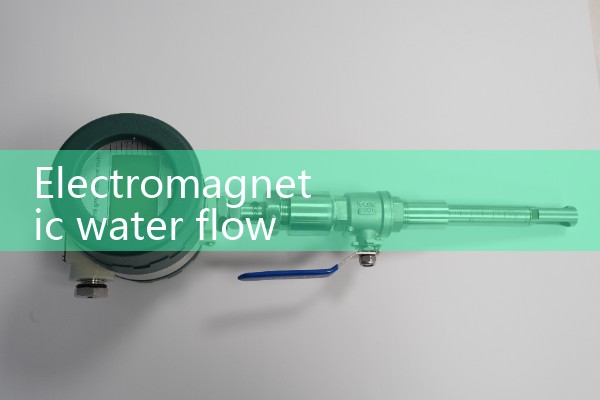
2. When installing an electromagnetic flowmeter on a horizontal pipeline, the two measuring electrodes should not be directly above or directly above the pipeline When installing an electromagnetic flowmeter on a horizontal pipeline, the two measuring electrodes should not be located directly above or below the pipeline, otherwise it will affect the measurement accuracy and signal stability. The specific reasons are as follows:
1. Bubble aggregation problem When an electromagnetic flowmeter is installed on a horizontal pipeline, if the electrode is located directly above the pipeline, gases dissolved in the liquid or bubbles generated by pressure changes will naturally rise and accumulate here. Due to the need for direct contact between the electrode and the measured liquid to induce electrical potential signals, the presence of bubbles can cause poor local contact of the electrode, resulting in fluctuations or interruptions in the measurement signal. For example, in wastewater treatment or chemical production, liquids often contain trace amounts of gas. If the electrode is located directly above, bubbles covering the surface of the electrode will directly interfere with signal acquisition, causing measurement errors. 2. Sediment deposition problem. If the electrode is located directly below the pipeline, solid particles, impurities, or chemical precipitates in the liquid will gradually deposit in this area due to gravity. The accumulation of sediment can form an insulation layer, hindering the conductivity transfer between the electrode and the liquid, resulting in signal attenuation or d
 Hot Blog
 Related AD