

『Differential pressure flow meter』Related information(flow rotameter|digital flow meter|balo meter|hydraulic flow meter|volumetric meter|positive displacement meter|pitot tube flow meter|displacement meter|cfm meter|variable area flow meter|inline flow meter|differential pressure flow meter|calibrated flow meter|velocity meter|paddle wheel flow meter|oval gear flow meter|anemometer hvac|multiphase flow meter|doppler flow meter|thorpe tube flowmeter|heat flow meter)
1. What are the operating techniques for differential pressure gas flow meters? The core of differential pressure gas flow meter operation is to ensure installation compliance, parameter matching, and daily maintenance. The following are the key operating techniques Installation and commissioning stage skills • Requirements for reserving straight pipe sections: Strictly reserve the front and rear straight pipe sections according to the instrument manual, with the length of the upstream straight pipe section not less than 10D (D is the inner diameter of the pipeline) and the downstream not less than 5D, to avoid eddy current interference with measurement accuracy such as bends and valves; If there is strong interference in the working conditions, an upstream straight pipe section of 2-3D can be added outside the cluster chain. • Medium adaptation calibration: Before installation, it is necessary to confirm that the flowmeter range covers the actual gas flow range, and that the density, temperature, and pressure parameters match the actual working conditions; For instruments that can be calibrated online, zero and range calibration can be performed using standard gas flow devices. For instruments that cannot be calibrated online, they need to be sent for inspection before installation. Compliance with installation direction: Gas flow meters must ensure that the measuring chamber is filled with gas. For instruments installed vertically, gas should flow from bottom to top; When installing horizontally, the pressure tap should be opened at the top of the pipeline to prevent liquid accumulation and impurities from entering the pressure tapping pipeline. 2. Daily operation skills • Real time parameter monitoring: Regularly 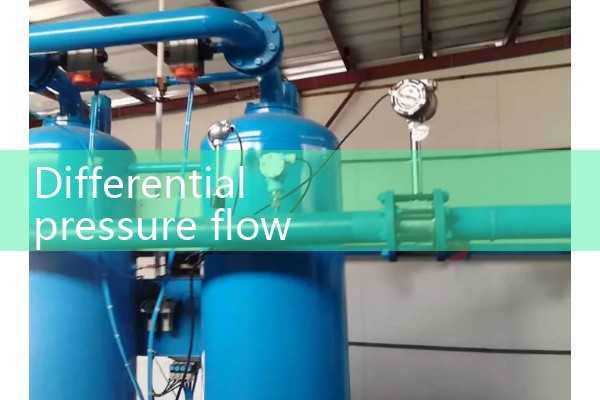
3. Abnormal working condition handling skills • Reading deviation troubleshooting: If the measured value deviates too much from the actual flow rate, first check whether the temperature and pressure compensation parameters are correct, and then confirm whether there is debris accumulation or pipeline deformation in the upstream and downstream straight pipe sections. Emergency response to instrument failure: When there is no differential pressure display on the instrument, first check whether the pressure pipeline has fallen off and whether the valve has been closed incorrectly; If it is a malfunction of the differential pressure sensor, it is necessary to contact the manufact
 Hot Blog
 Related AD