

 Current position > Product detail
『Paddle Flow Meter Design: Low-Cost Liquid Monitoring for Factories』Related information(flow rotameter|digital flow meter|balo meter|hydraulic flow meter|volumetric meter|positive displacement meter|pitot tube flow meter|displacement meter|cfm meter|variable area flow meter|inline flow meter|differential pressure flow meter|calibrated flow meter|velocity meter|paddle wheel flow meter|oval gear flow meter|anemometer hvac|multiphase flow meter|doppler flow meter|thorpe tube flowmeter|heat flow meter)
Quick Answer
A paddle flow meter gives you reliable flow switch and monitoring at a fraction of the cost of magmeters or Coriolis devices. It fits pipe sizes from DN15 to DN200, handles temperatures up to 120 °C, and works with water, cooling liquid, and low‑viscosity chemicals. If you need simple pump protection or low‑flow alarm, this design is the practical choice.
What Makes Paddle Flow Meter Design Different
Most engineers first think about electromagnetic or ultrasonic meters when they hear “flow monitoring”. In practice, many factory applications only need a go/no‑go signal or a basic local display. That is exactly where a paddle flow meter fits.
A paddle flow meter uses a spring‑loaded flap or paddle inside the pipe. The flowing liquid pushes the paddle. The stronger the flow, the more the paddle moves. A microswitch or a potentiometer reads this movement and triggers a relay or sends a 4‑20 mA signal.
Because there is no complex digital signal processing, the design is simple. Simple means fewer failure points. We have opened old paddle switches at customer sites in Indonesia that ran for 12 years without a single service call.
Inside the Paddle Flow Meter Mechanism
The core is a paddle arm connected to a sealed shaft. On the outside of the pipe, the shaft drives a cam or magnet. This actuates a Reed switch or microswitch. In models with analog output, a Hall sensor measures the angle of the paddle and converts it to a 4‑20 mA signal.
The spring tension sets the trip point. For a DN25 pipe monitoring cooling water at 28 °C, a typical factory setting might trip at 3 L/min falling flow. The return spring is made from 316L stainless steel, so it does not corrode in mildly acidic rinse water.
Where Factory Teams Use Paddle Flow Meters
These meters are not built for custody transfer or batching. They are built for equipment protection and process confirmation.
Cooling water circuits. A plastic injection plant in Thailand installed a paddle switch on each mold cooling line. If flow drops below 8 L/min, the switch cuts power to the heater bands within two seconds. Saved them three burned‑out heaters in the first year.
Pump dry‑run protection. A small chemical blending site in Chile uses a paddle flow switch on the inlet of a diaphragm pump. Pump runs dry? The switch stops it before the seals cook.
Lubrication oil lines. On a steel rolling mill in Malaysia, a paddle meter with Ex‑proof housing monitors lube oil to the main bearings. ATEX Zone 2 rating, simple relay output into the PLC.
Washing and CIP systems. Food & beverage plants in Australia and New Zealand use paddle switches to confirm that rinse water is flowing before the CIP cycle starts. No flow, no chemicals injected.
Low‑Cost Liquid Monitoring Without Sacrificing Reliability
Here is the thing. A Coriolis meter for a DN50 line costs several thousand dollars. A paddle flow switch from Silver Automation Instruments is often under a few hundred dollars. If your only question is “Is liquid moving, yes or no?”, then a paddle meter is the right tool.
We see this comparison on customer sites many times. A plant may have ten cooling loops. They cannot afford ten electromagnetic meters just for status checking. But they can afford ten paddle switches and still have budget left for a proper magmeter on the main feed line.
Material Choices and Real‑World Limits
The paddle itself is usually 316L stainless steel. The body can be brass, 316L stainless, or PVC for deionized water lines. Process connection is typically thr
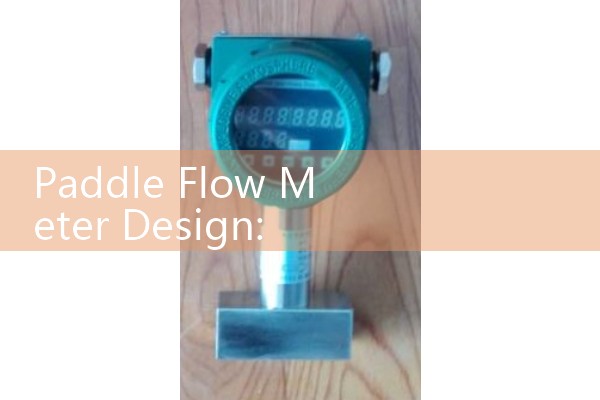
Temperature range is 0 °C to 120 °C for standard models. Viscosity should stay below 30 cP for reliable switching. Above that, the paddle becomes sluggish. If you have viscous oil, a thermal mass flow switch works better.
Pressure rating is usually 10 bar or 16 bar depending on the body material. Brass bodies handle 16 bar at 25 °C. We always ask for maximum pressure and temperature together, because the o‑ring sealing changes at higher temperature.
Output Signals and Integration
Basic models give you a dry contact relay, SPDT, rated 250 VAC 3A. This goes straight into a PLC digital input or a simple alarm buzzer. No external power supply needed.
Analog models give you a 4‑20 mA signal. You wire it to a PLC analog input or a Silver Instruments paperless recorder. The signal is not linear with flow, but it shows relative changes. Most engineers skip the analog version and use the relay output plus a separate flowmeter if they need actual numbers.
We have also built units with two set points: one for low flow alarm, one for high flow confirmation. A paint manufacturer in Vietnam uses this on solvent recovery lines. Low flow triggers a warning. High flow starts a timer for batch stop.
Installation Notes that Save You Headaches
Paddle flow meters need a straight run of pipe. 10x diameter upstream and 5x downstream is the minimum. Otherwise turbulence bounces the paddle and you get false trips. On a DN40 line, that means 400 mm of straight pipe before the meter.
Mount the meter in a horizontal pipe, with the paddle hanging down into the flow. Vertical mounting is possible if flow is upwards, but spring tension adjustment becomes more critical.
Dirty liquids are a problem. If your water has rust flakes or sand, install a Y‑strainer upstream. A blocked paddle in the open position is the most common failure we see from customers who skip this step.
How to Order the Right Paddle Flow Meter from Silver Instruments
Send us five numbers and we will reply with a price and lead time within 24 hours:
• Pipe size (DN or inch)
• Process connection (thread type or flange standard)
• Liquid type and temperature (°C)
• Pressure (bar)
• Output signal (relay or 4‑20 mA)
For hazardous areas, mention the zone classification. We supply ATEX Zone 1 and Zone 2 versions.
Contact us:
Email: [email protected]
Tel: +86-25-68650347
Whatsapp: +86-25-52155837
WeChat: +86 15365082610
Frequently Asked Questions
Can a paddle flow meter measure total flow?
No. It detects flow presence or relative change. For totalized flow, use an oval gear or electromagnetic meter.
What is the minimum flow to trigger the switch?
It depends on pipe size and spring setting. For DN15 with water at 20 °C, the typical trip point is around 1.5 L/min. We set it at the factory based on your target value.
Does the paddle cause a pressure drop?
Yes, but very small. The paddle is thin and the spring is light. For a DN50 pipe at 50 L/min, expect less than 0.05 bar pressure loss.
Can I use it with seawater?
Yes. Order the 316L body and paddle, with PTFE cable. Several desalination plant operators in the Middle East use our paddle switches on brine return lines.
How long does delivery take?
Standard models ship in 5 working days. Custom trip settings or exotic materials add 5 to 7 days. We dispatch from Nanjing, China by DHL, FedEx or sea freight.