

 Current position > Product detail
『Diesel Oil Flow Meter 50 m3/h Bulk Loading Pump Controls』Related information(flow rotameter|digital flow meter|balo meter|hydraulic flow meter|volumetric meter|positive displacement meter|pitot tube flow meter|displacement meter|cfm meter|variable area flow meter|inline flow meter|differential pressure flow meter|calibrated flow meter|velocity meter|paddle wheel flow meter|oval gear flow meter|anemometer hvac|multiphase flow meter|doppler flow meter|thorpe tube flowmeter|heat flow meter)
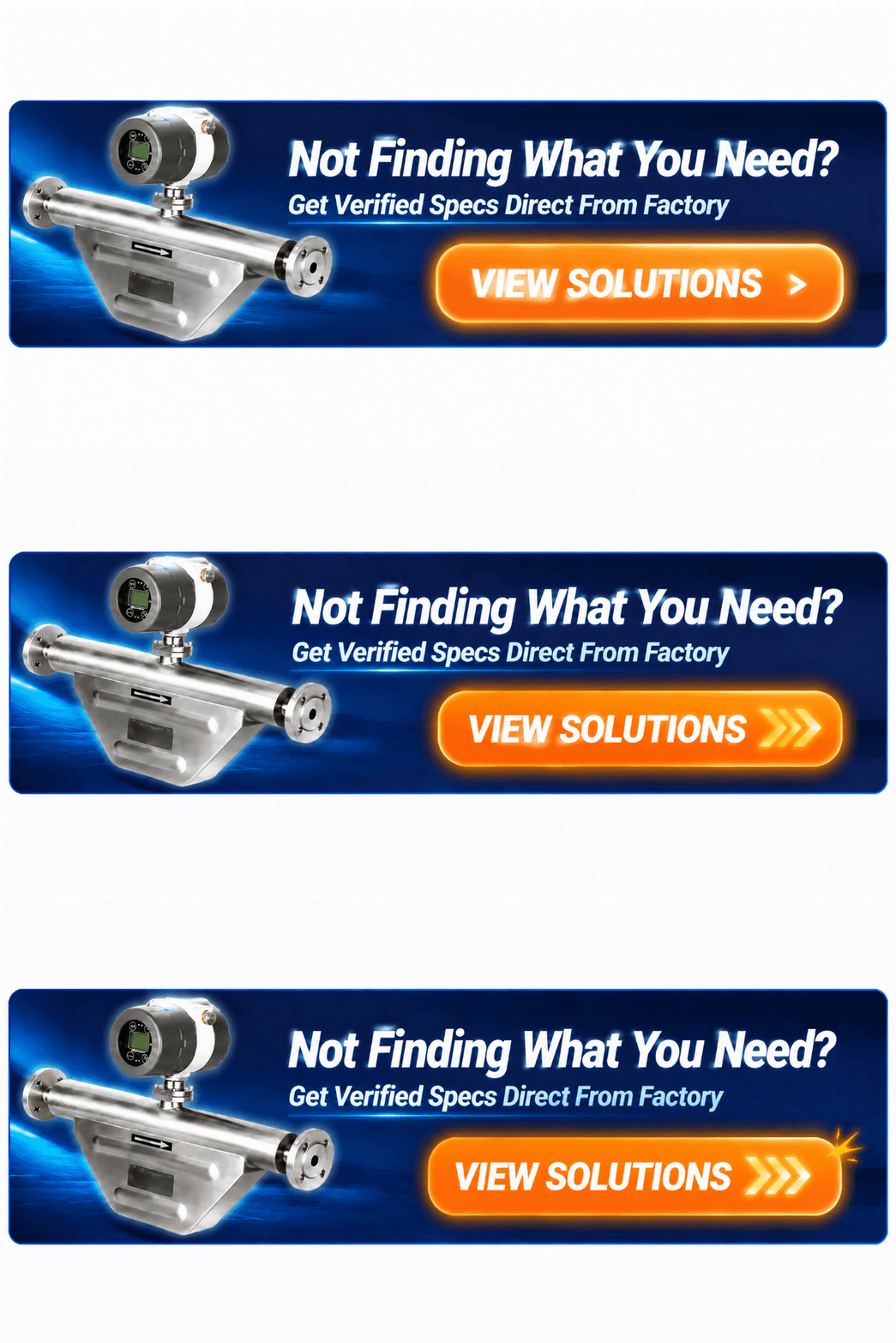
Diesel Oil Flow Meter 50 m3/h for Bulk Loading Pump Controls
Quick Answer: For loading diesel into road tankers at 50 m3/h with automated batch shutoff, use an oval gear flow meter with a pulse output and a dedicated batch controller. The controller reads the meter pulses, opens a 2-stage valve, and stops the pump when the preset volume is reached. This setup avoids PLC programming and has worked reliably at fuel terminals we supplied in Southeast Asia and Mexico.
Why an Oval Gear Flow Meter Works Best for Diesel at 50 m3/h
Diesel at ambient temperature has a viscosity around 3 to 6 cP. An oval gear meter handles this thin fluid without slippage errors. The meter body has two precision oval rotors that sweep a known volume per revolution. Each revolution sends a pulse from a reed switch or Hall effect sensor. At 50 m3/h you typically use a DN80 meter with a flow range of 8 to 80 m3/h. The pulse resolution is often 10 or 1 pulses per litre. This gives the batch controller a fine resolution for accurate cut-off.
Alternative meters like turbine or Coriolis also work. But oval gear meters are simpler, cost less, and do not need straight pipe runs. You can install an oval gear meter right after a 90-degree elbow. In practice a straight run of 3D upstream and 2D downstream is enough. Most engineers skip long straighteners at a loading skid. We have seen this on customer sites many times. The meter delivers repeatability better than 0.05 % on the same batch volume day after day.
Batch Controller Integration with Pump and Valve
The batch controller is the brain of the loading system. Silver Instruments BT-300 batch totalizer accepts pulse input up to 10 kHz directly from the flow meter. It displays real-time flow rate and accumulated volume. You set a batch preset value for example 20 000 litres. The controller then outputs relay signals for a 2-stage valve and the pump motor starter. Stage 1 opens the main valve fully for fast filling up to 95 % of the preset. Stage 2 switches to a smaller bypass valve for dribble fill until the target volume. The pump runs only when the controller issues a start command and stops immediately at batch end. This prevents dead-heading the pump.
Here is the thing. A 4-20 mA signal from the flow meter is optional but we normally use only the pulse output for batching. The pulse line is a simple two-wire connection often 24 VDC NAMUR or open collector. If your diesel loading area is Zone 1 or Zone 2, we supply ATEX-certified oval gear meters with Ex ia pulse pickups. The batch controller sits in a safe area panel. Wiring is straightforward: one cable from meter to controller, one cable from controller to pump starter and valve solenoids.
Typical System Components for 50 m3/h Diesel Loading
A complete loading skid built around a 50 m3/h meter includes these items. Silver Instruments model OGM-DN80-F oval gear flow meter with PNP pulse output, 0.5 % accuracy, aluminum or stainless steel housing. BT-300 batch controller with two-stage relay outputs, RS485 Modbus RTU port, and a bright LED display. A motorized 2-stage ball valve or two solenoid valves with bypass. A centri
We have assembled similar skids for a fuel distributor in Surabaya, Indonesia. They load 25 tankers per day. Their old mechanical registers had deviations up to 200 litres per truck. After switching to the OGM-DN80 and BT-300, batch error dropped to less than 10 litres per truck. The operation manager told us they recovered the hardware cost in six months just from reduced product giveaway. This kind of specific detail is what engineers ask for before placing an order.
FAQ about Diesel Oil Flow Meter 50 m3/h Bulk Loading Pump Controls
Q: What flow meter type do you recommend for diesel at 50 m3/h?
A: An oval gear flow meter is the most cost-effective choice. It handles diesel viscosity well and gives a high-resolution pulse output for accurate batching. Silver Instruments OGM series DN80 model covers 8-80 m3/h and holds 0.5 % accuracy over the full range.
Q: Can the batch controller directly start and stop the loading pump?
A: Yes. The BT-300 controller has dedicated relay outputs for pump run and valve open/close signals. You wire these relays to the pump starter coil and the valve solenoids. No external PLC is required.
Q: Do I need a 2-stage valve for diesel loading at 50 m3/h?
A: For batch volumes above 10 000 litres a 2-stage valve gives faster loading and precise shutoff. The controller opens full bore until 95 % of target, then switches to a bypass for the last 5 %. This avoids overshoot from valve closure inertia.
Q: Is ATEX certification required for diesel loading areas?
A: Diesel flash point is above 55 degrees C, but many terminals still classify the loading area as Zone 2 due to potential vapours. We supply ATEX II 2G Ex ia certified flow meters and barriers for such zones. Always confirm your local classification with a safety engineer.
Q: What information do you need to quote a complete loading system?
A: Send us your pipe size (DN), flow range in m3/h, operating temperature (degrees C), viscosity at loading temperature, and whether you need ATEX or IECEx certification. Also mention your preferred signal output (pulse or 4-20 mA HART) and if you want a stainless steel meter body. We will provide a full parts list, wiring diagram, and price within 48 hours.
Most installations are straightforward once the flow meter and controller are sized correctly. The key point is matching the meter pulse factor to the controller input and setting the valve timing parameters. Our application engineers can walk you through the commissioning over a video call if needed. Describe your loading bay layout and we will suggest the best meter orientation and pipe support. Send us your pressure, temperature, pipe size, and flow range now to get a final quote and lead time.