

 Current position > Product detail
『electronic turbine meter』Related information(flow rotameter|digital flow meter|balo meter|hydraulic flow meter|volumetric meter|positive displacement meter|pitot tube flow meter|displacement meter|cfm meter|variable area flow meter|inline flow meter|differential pressure flow meter|calibrated flow meter|velocity meter|paddle wheel flow meter|oval gear flow meter|anemometer hvac|multiphase flow meter|doppler flow meter|thorpe tube flowmeter|heat flow meter)

1. What is a turbocharger flowmeter?
The Turbine Boost Flow Meter is a special type of manual flow meter that combines turbine flow meters with turbocharging technology.. The conventional turbine flowmeter is based on the principle of fluid passing through a rotating turbine to generate rotational torque for flow measurement. The turbine blades are fixed in the channel where the fluid flows, and when the fluid passes through the channel, the turbine blades are subjected to fluid forces and rotate. By measuring the rotational speed of the turbine, the flow rate of the fluid can be accurately calculated. The turbocharger flowmeter combines the above principles with turbocharging technology. It adds a boosting device on the basis of the conventional turbine flowmeter, which compresses the fluid before passing through the turbine and then enters the turbine for measurement. The working principle of a turbocharger flowmeter is as follows: Compressed fluid: The fluid entering the turbocharger flowmeter will first pass through a boosting device, usually a centrifugal compressor or a propeller centrifugal fan. The pressurization device will pressurize and compress the fluid, increasing its kinetic energy and velocity. Fluid passes through the turbine: After being pressurized, the fluid enters the turbine cavity, and the high-speed flow of the fluid exerts force on the turbine blades, causing them to rotate. Measuring flow rate through turbine speed: The speed of the turbine is directly proportional to the flow rate of the fluid. The sensor will measure the speed of the turbine and convert the speed signal into the corresponding flow value.
2. What are the types of flow meters? Flow meter is a professiona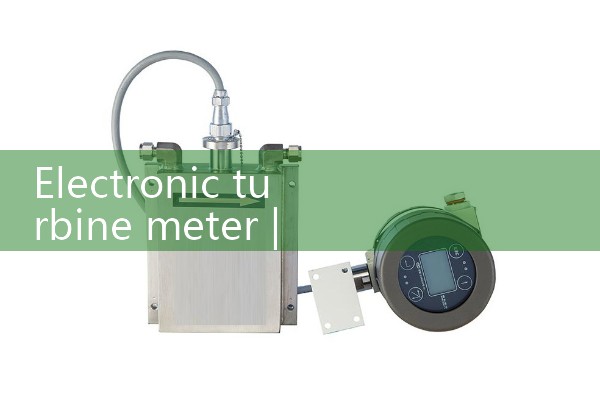
3. Consultation: Regulations for Environmental Protection Testing of Noise Pollution
The division of environmental area noise includes scattered light and the results of environmental noise monitoring. It does not be