

 Current position > Product detail
『Handheld Flow Meter: Portable Ultrasonic Pipe Inspection Tools』Related information(flow rotameter|digital flow meter|balo meter|hydraulic flow meter|volumetric meter|positive displacement meter|pitot tube flow meter|displacement meter|cfm meter|variable area flow meter|inline flow meter|differential pressure flow meter|calibrated flow meter|velocity meter|paddle wheel flow meter|oval gear flow meter|anemometer hvac|multiphase flow meter|doppler flow meter|thorpe tube flowmeter|heat flow meter)
Handheld Flow Meter: Portable Ultrasonic Pipe Inspection Tools
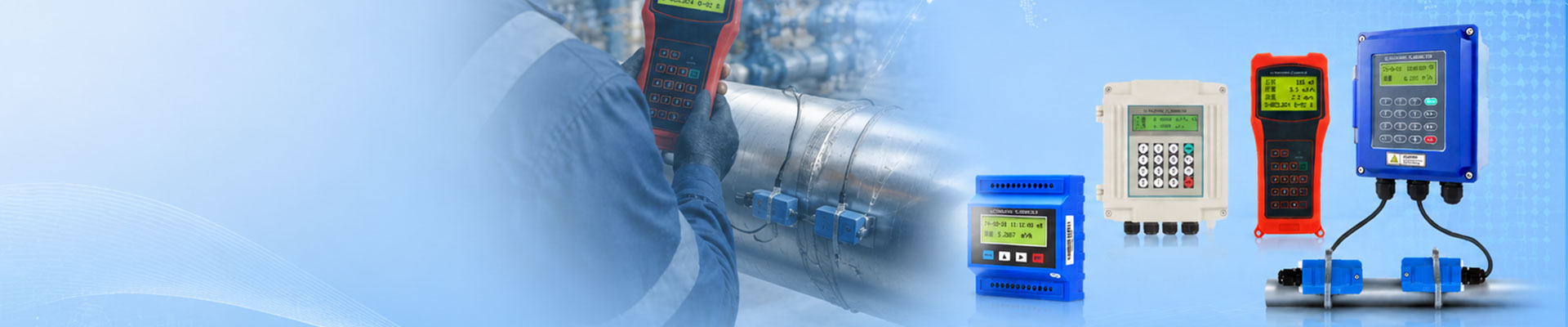
Quick Answer: A handheld flow meter with clamp-on ultrasonic transducers measures flow from outside the pipe. There is no need to cut the line, stop the process, or drain the system. Silver Automation Instruments supplies these portable tools for pipes from DN15 to DN6000, making field verification, spot checks, and energy audits fast and reliable.
Most maintenance engineers and plant operators first hear about clamp-on ultrasonic meters when they face a problem. A fixed meter has failed. A bypass line needs a quick flow check. Or someone simply wants to verify the pump output without shutting down a production line. In practice, a portable ultrasonic flow meter is the fastest way to get a flow reading without touching the fluid.
We have shipped these handheld units to water treatment plants in Malaysia, a paint manufacturer in Thailand, a chemical blending site in Vietnam, and a district cooling contractor in Saudi Arabia. The feedback is always the same. Engineers like that the tool fits in a backpack and delivers a number in under 10 minutes. No hot work. No flanges to open. No process interruption.
How a Clamp-On Handheld Flow Meter Works
The transducer pair clamps onto the outside of the pipe wall. One transducer sends an ultrasonic signal. The signal travels through the pipe wall, into the fluid, and then hits the second transducer. The meter measures the transit time difference between signals traveling with and against the flow. That time difference converts to flow velocity. Multiply velocity by the pipe cross-sectional area and you get volumetric flow rate. Simple physics. So simple that many engineers do not trust it the first time they see it. Until they witness the reading match the plant control room value within half a percent.
Here is the thing. The pipe surface matters. A good portable meter works on carbon steel, stainless steel, copper, PVC, PE, and lined pipes. Gravel, heavy rust, and thick internal scale will block the signal. Most field failures come from poor surface preparation, not from the meter itself. A quick spot with a wire brush and a dab of coupling gel fix 90% of issues. Our teams always tell new users to spend 60 seconds cleaning the sensor location before clamping.
Where Engineers Actually Use These Tools
We see a pattern across different industries. Water and wastewater plants use handheld ultrasonic meters for pump efficiency checks and for verifying inline mag meters that have drifted. In HVAC and district energy systems, contractors carry them from building to building to balance chilled water loops. Oil and gas maintenance crews check lube oil lines, cooling water, and firewater ring mains in remote pump stations across the Middle East and West Africa. Food and beverage sites in Oceania use them on CIP return lines and pasteurizer water circuits where hygienic access is limited.
One customer, a paper pulp producer in Indonesia, asked us last year for a portable meter to measure black liquor at 85 °C on a DN150 carbon steel schedule 40 pipe. They needed a quick weekday audit and could not wait for a shutdown. Our clamp-on kit delivered a reading in 20 minutes from outside the pipe insulation. That single spot check saved them three days of downtime and a scaffolding crew. This is the type of real-world usage that makes a handheld flow meter pay for itself on the first job.
Marine and offshore sectors in Australia and Singapore also adopt these tools. Ballast water treatment system commissioning requires verifying flow at multiple points. A portable meter with a built-in data logger captures velocity, totalized volume, and date stamps for class survey reports. No permanent installation needed. Just carry the case, set the pipe parameters, and log the data.
Technical Specifications That Matter in the Field
When a field engineer asks us for a quote, they rarely ask about theoretical accuracy first. They ask about pipe size range, temperature limits, and battery life. Our portable ultrasonic flow meters handle pipe diameters from DN15 to DN6000. Fluid temperature range covers -30 °C to 160 °C with the right transducer set. For chilled water at 1 °C or hot oil at 140 °C, the same main unit works with different sensor clamps. Velocity range sits at 0.01 to 12 m/s. Accuracy is ±1.0% of reading for most pipe sizes when installed correctly. Repeatability is 0.2%. The built-in data logger stores tens of thousands of points with date and time stamps. Communication outputs include 4-20 mA, RS485 with Modbus RTU, and often Bluetooth or SD card for offline transfer.
Battery life is a real concern on long plant walks. Our handheld unit runs 10 to 12 hours on a single charge under continuous measurement. Most spot checks
_600x400.jpg)
Picking the Right Portable Meter for Your Pipe Inspection
Engineers often get confused between the different types of portable ultrasonic meters. There are transit-time meters for clean liquids and Doppler meters for slurries and aerated fluids. For most industrial water, oil, chemical, and glycol applications, a transit-time handheld flow meter is the right choice. If your fluid contains bubbles or suspended solids above 100 ppm, a Doppler portable meter may work better. Ask us with your exact fluid condition. Tell us the percentage of solids, the typical bubble content, and the fluid temperature. We will point you to the correct technology.
Because pipe material and liner type directly affect signal transmission, always share your pipe specification when requesting a quote. A DN80 galvanized steel pipe with a cement lining behaves differently from a bare DN80 stainless steel tube. We have matched sensors for both, but the setup parameters differ. The meter firmware includes built-in tables for common pipe materials. If your material is not in the list, our application team can add a custom sound speed. This is not a one-size-fits-all tool. It is an instrument that rewards good input data with excellent field results.
What Silver Automation Instruments Provides
We stock the main units, transducer sets for small pipes (DN15 to DN100) and medium/large pipes (DN50 to DN6000), coupling gel, mounting straps, and rugged carry cases. Every order includes a factory calibration certificate traceable to national standards. We also supply a quick-start guide written in plain engineering English. No vague marketing phrasing. Just step-by-step pipe parameter entry, sensor spacing calculation, and troubleshooting tips.
For project buyers and distributors in Southeast Asia, Africa, the Middle East, Latin America, and Oceania, we ship the same week from our warehouse. Custom documentation, branding, and multi-language manuals are available for repeat orders. We regularly work with 10 to 100 person SME distributors who supply local water authorities, food plants, and oil terminals with good technical support but need a reliable factory partner. Send us your pipe size (DN), pipe material, fluid type, operating temperature, and flow range. We will return a fixed price quote within one business day.
FAQ
Can the handheld flow meter measure on insulated pipes? Yes, but you must remove a small section of insulation at the sensor location. The transducers need direct contact with the bare pipe wall. After the test, reapply insulation. The measurement itself takes minutes, so thermal loss is minimal.
What liquids cannot be measured? Heavy slurries, pastes, and fluids with more than 10% gas or solids by volume are not suitable for transit-time meters. A Doppler portable unit may work. Pure hydrocarbons with very low acoustic impedance can also be challenging. Contact us with your fluid density and viscosity and we will confirm feasibility before you buy.
Do I need to stop the flow during installation? No. The clamp-on sensors attach externally while the pipe is flowing at full capacity. No process shutdown is needed. This is the main reason maintenance teams choose a portable ultrasonic tool over a temporary mechanical insertion meter.
How do I get accurate readings on short straight pipe runs? The transducer spacing calculation assumes a fully developed flow profile. If you have less than 10 pipe diameters of straight run upstream, expect a small additional uncertainty, typically 1 to 3% depending on the bend configuration. Our technical team can advise on sensor placement for tight piping spaces. Send us a photo of your pipe run.
What if my pipe diameter is outside the standard range? For pipes larger than DN6000, special large-pipe sensors are available on request. For very small tubes below DN15, we offer inline micro-turbine and Coriolis options. Ask our sales team with your exact dimensions.
For a price quote, detailed data sheet, or to discuss your onsite pipe inspection challenge, contact Silver Automation Instruments.
Email: [email protected]
Tel: +86-135-1213-1526
Whatsapp: 86-135-12131526
WeChat: +86 13512131526
Send us your fluid, pipe diameter (DN), pipe material, temperature, and flow range. We will help you pick the right handheld ultrasonic flow meter for your field job.